

Neuro Athletics is a 2 x weekly newsletter that breaks down the medical and scientific practises that you need to perform at your peak. Subscribers include professional athletes, athletic trainers, coaches and casual fans. So if you are not already a subscriber, sign up and join 69,000+ others who receive it directly in their inbox each
Story at a Glance:
Neuro Athletes,
New research reveals that 10 grams of creatine daily significantly enhances brain function compared to the commonly recommended 5 grams.
Higher creatine intake boosts critical brain areas involved in memory, cognition, and mental performance.
Increasing creatine dosage during stressful periods can dramatically improve cognitive resilience and overall brain health.
Today’s Newsletter Is Brought To You By Momentous

If you’re still thinking creatine is just for bodybuilders, you’re missing the bigger picture.
Creatine is one of the most researched and effective supplements for brain performance, cellular energy, and strength. I use Momentous Creatine daily to support both cognitive function and recovery.
What makes it different? They use Creapure®, the purest form of creatine monohydrate available, with no fillers or additives. It’s NSF Certified for Sport® and trusted by pro teams, military organizations, and elite health professionals.
This is not a trend—it’s a foundational tool for longevity and high performance.
👉 Try Momentous Creatine now at livemomentous.com/neuro and use code NEURO for 35% off your first subscription.
I've Been Wrong About Creatine—Here's the Truth
For years, I've confidently recommended a standard dose of 5 grams of creatine daily to my clients, athletes, and followers. My reasoning was simple: 5 grams per day effectively saturates muscle tissues, enhancing strength and performance.
But recent evidence has pushed me to reconsider—and admit—I was wrong.
Here's why:
A groundbreaking study from Germany explored creatine supplementation specifically targeting brain function. Researchers compared dosages of 2 grams, 4 grams, and 10 grams daily. Their findings were eye-opening:
At 10 grams daily, participants' brain creatine content doubled compared to lower doses.
Crucially, this higher dose enhanced creatine levels significantly in critical brain areas like the gray matter, white matter, and thalamus—regions deeply involved in memory, cognition, and overall brain performance.
In other words, while 5 grams per day might optimize your muscles, it's likely not enough to fully support your brain.
Here is also why:
Why Does Your Brain Need More Creatine?
Creatine isn't just fuel for muscles—it's a powerful brain booster. During high-stress periods (think sleep deprivation, jet lag, intense mental workload, or illness), your brain burns through resources rapidly. A higher dosage—around 10 grams daily or more—ensures your brain has the immediate reserves it needs.
Another German study showed impressive cognitive gains during a sleep deprivation trial. Participants who took approximately 0.35 grams per kilogram body weight (around 25 grams for an average adult) experienced notable improvements in memory, cognition, and mental clarity after 21 hours without sleep. This elevated dosage rapidly increased blood and brain creatine, supporting enhanced cognitive resilience during stress.
Creatine's Impact on Brain Health and Depression in Women with MDD:
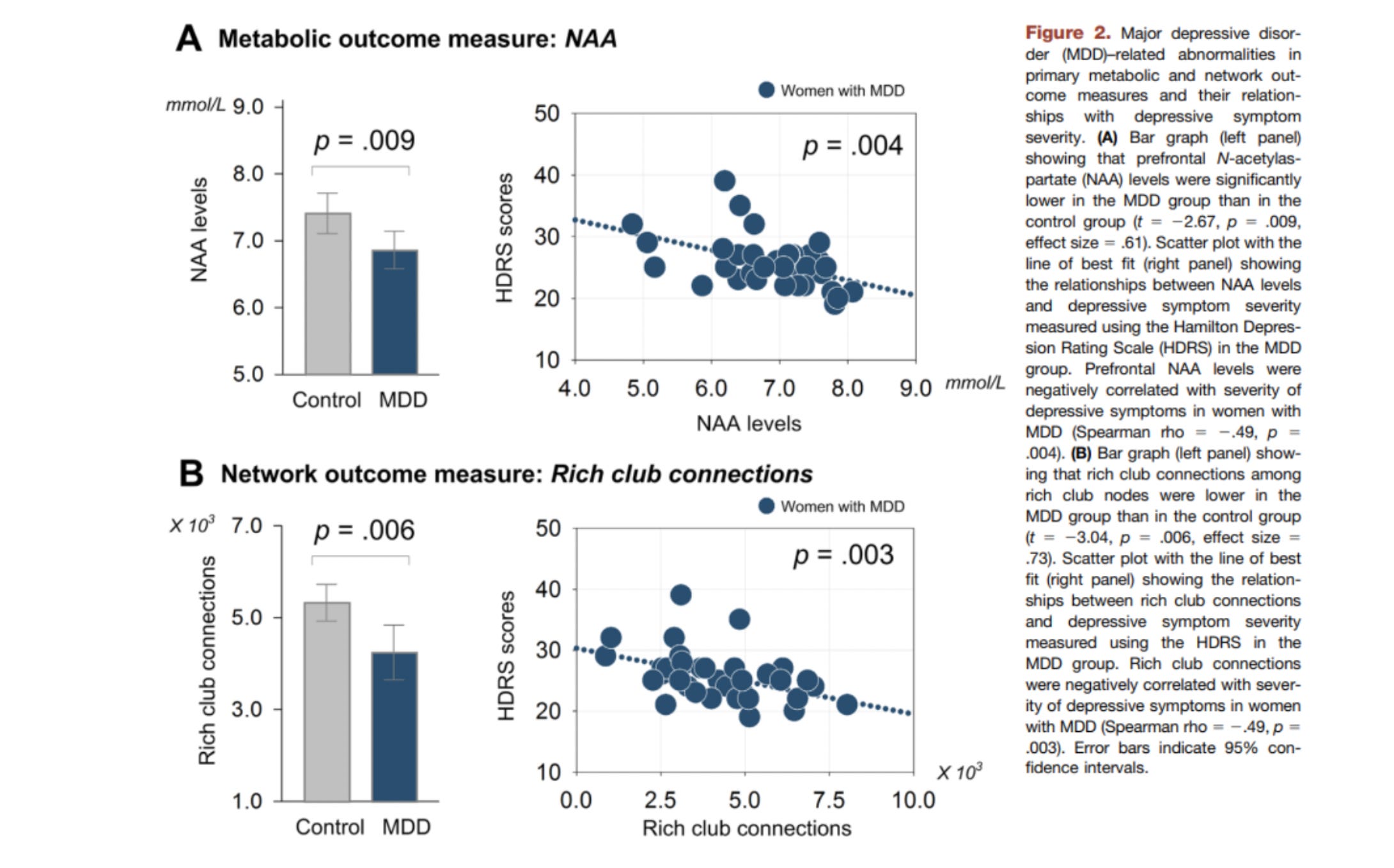
A study by Yoon et al. (2016), extending previous research by Lyoo et al. (2012), investigated the effects of supplementing 5 grams of creatine daily in women diagnosed with Major Depressive Disorder (MDD) who were also receiving escitalopram treatment. Out of 52 participants, 34 underwent neuroimaging assessments before and after treatment using proton magnetic resonance spectroscopy (¹H-MRS) and diffusion tensor imaging (DTI). The study found significant increases in prefrontal N-acetylaspartate (NAA), indicative of improved neuronal viability and mitochondrial function, among participants taking creatine compared to placebo (p = 0.01, Cohen’s d = 0.73) and healthy controls (p = 0.03, Cohen’s d = 0.66). Furthermore, "rich-club" networks—highly connected brain regions critical for efficient brain communication—also showed notable enhancement in the creatine group relative to both placebo (p = 0.01, Cohen’s d = 0.79) and healthy controls (p = 0.03, Cohen’s d = 0.64). These neuroimaging improvements corresponded with significant reductions in depressive symptoms, highlighting creatine's therapeutic potential in supporting brain metabolism and mental health.
Personal Protocol Update:
I've personally shifted my daily intake to 10 grams of creatine to consistently support both muscle and cognitive health. Additionally, during acute stressors—like flying internationally or intense workload periods—I temporarily increase my dosage up to 20 grams per day. I've noticed significant improvements not just cognitively, but in overall immune resilience too.
Is Excess Creatine Wasted?
Many ask: "What if I'm just flushing extra creatine down the drain?" My perspective has changed: Creatine is safe, inexpensive, and extremely beneficial. Any minor excess excretion is worth it to ensure peak cognitive performance.
Bottom Line:
If you're serious about optimizing cognitive function, 5 grams daily simply isn't enough. Aim for at least 10 grams daily—particularly during high-stress periods—to fully reap the cognitive benefits.
I'd love your thoughts: Have you tried higher doses of creatine? What cognitive or physical differences have you noticed? Comment below and share your experiences—let's get smarter together.
Stay informed,
Louisa x


